Squeeze the Day: 5 Surprising Benefits of Compression Therapy
Compression therapy uses controlled pressure to increase blood flow
If you’ve ever watched a professional marathon runner cross the finish line, you might have noticed them slipping into high socks or strange-looking inflatable boots shortly after. It’s not just a fashion statement - it’s compression therapy, and it’s rapidly moving from the exclusive locker rooms of elite athletes into the daily wellness routines of people just like you.
Whether you are training for your first 5K, recovering from knee surgery, or simply battling the feeling of heavy legs after a long shift on your feet, your body is constantly managing inflammation and circulation. Sometimes, it needs a little help fighting gravity.
Compression therapy is a non-invasive, relaxing method designed to enhance blood flow, speed up recovery, and relieve pain. But how exactly does squeezing your limbs lead to better health? Let's dive into the science behind the squeeze and discover why this therapy might be the recovery secret you’ve been missing.
What is Compression Therapy?
At its core, compression therapy is a technique that uses controlled pressure to increase blood flow in your lower limbs and help support your veins.
While the modern application feels futuristic, the concept is centuries old. Historical records suggest that even in ancient times, bandages were used to treat leg ulcers and swelling. However, the technology has come a long way since simple bandages.
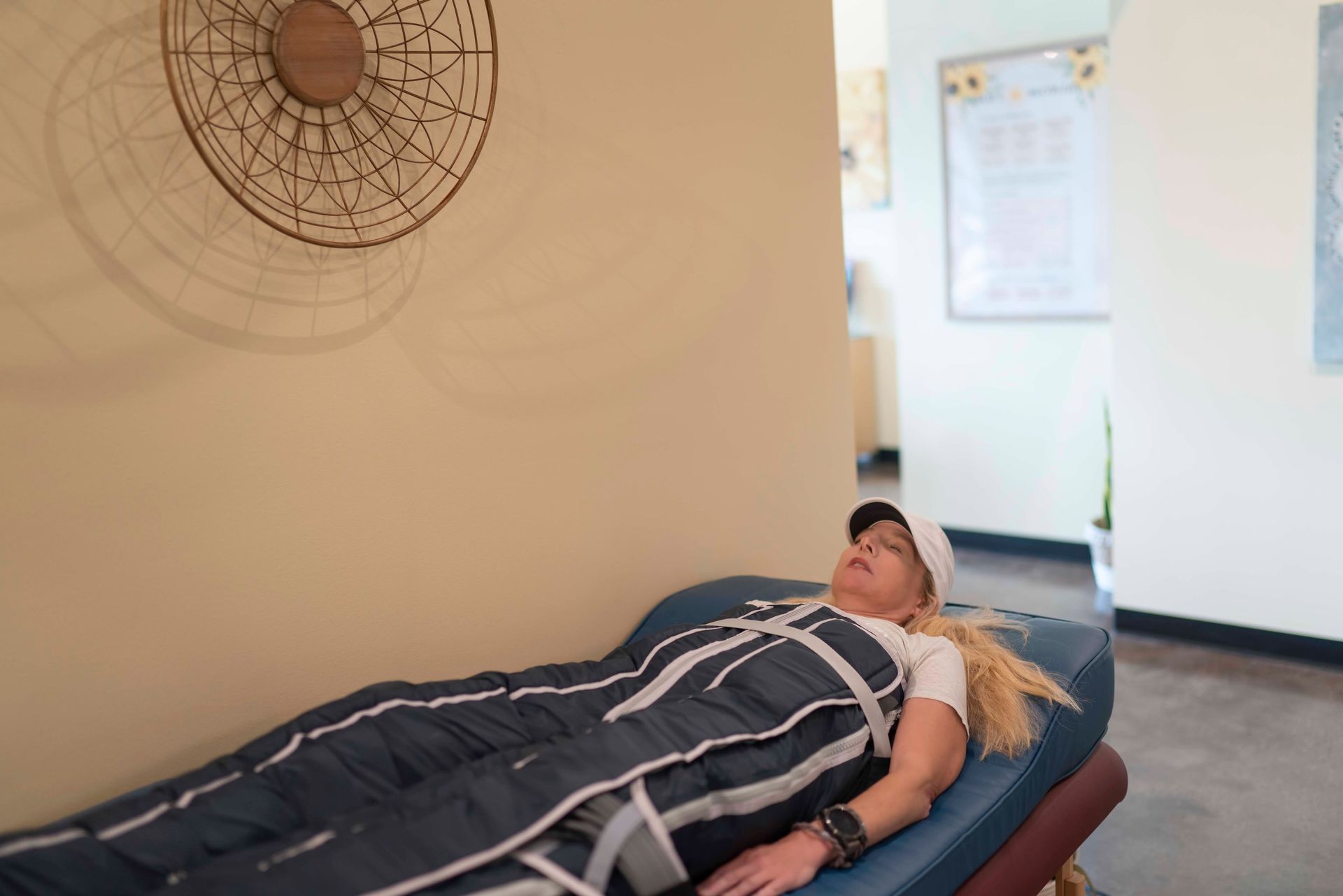
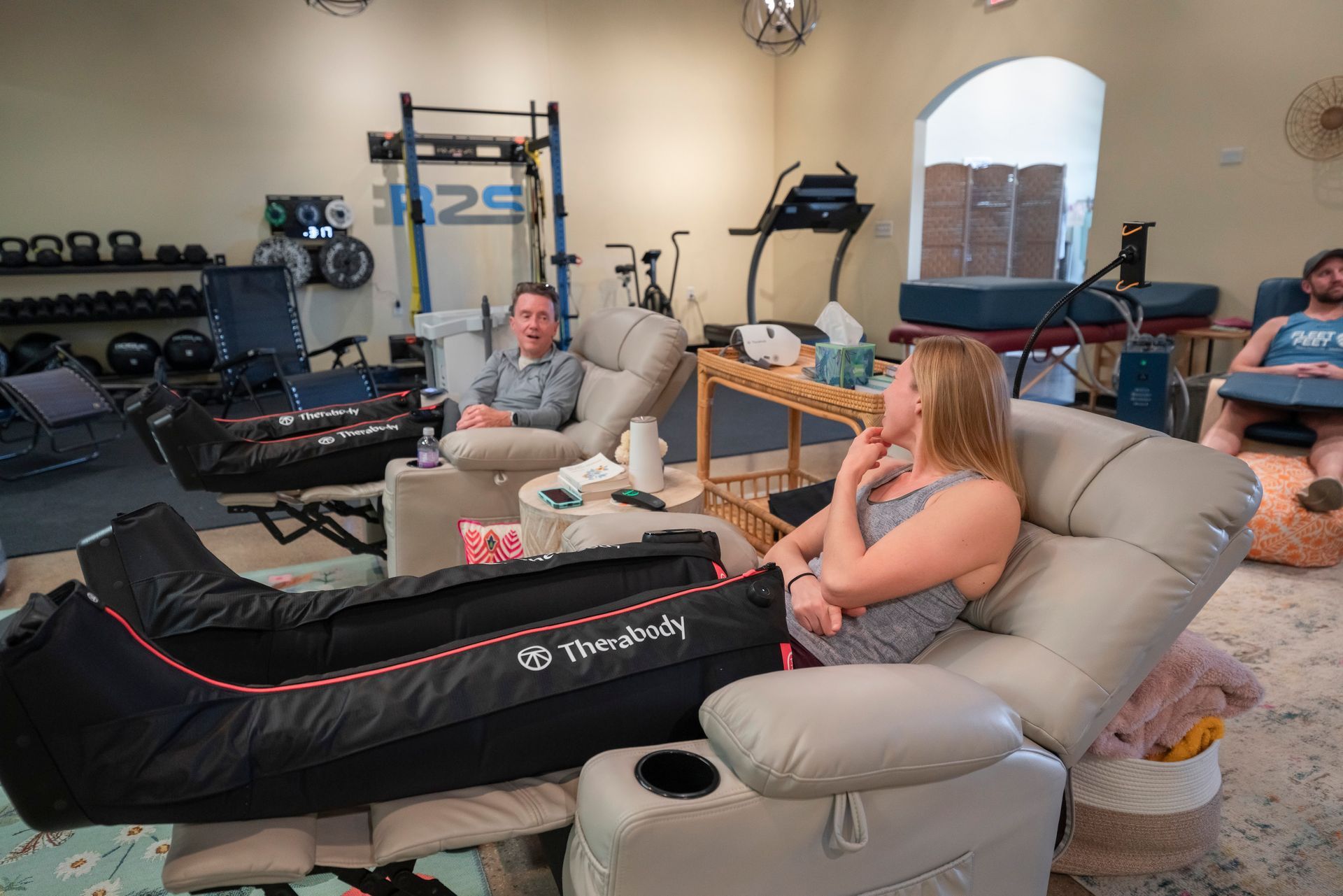
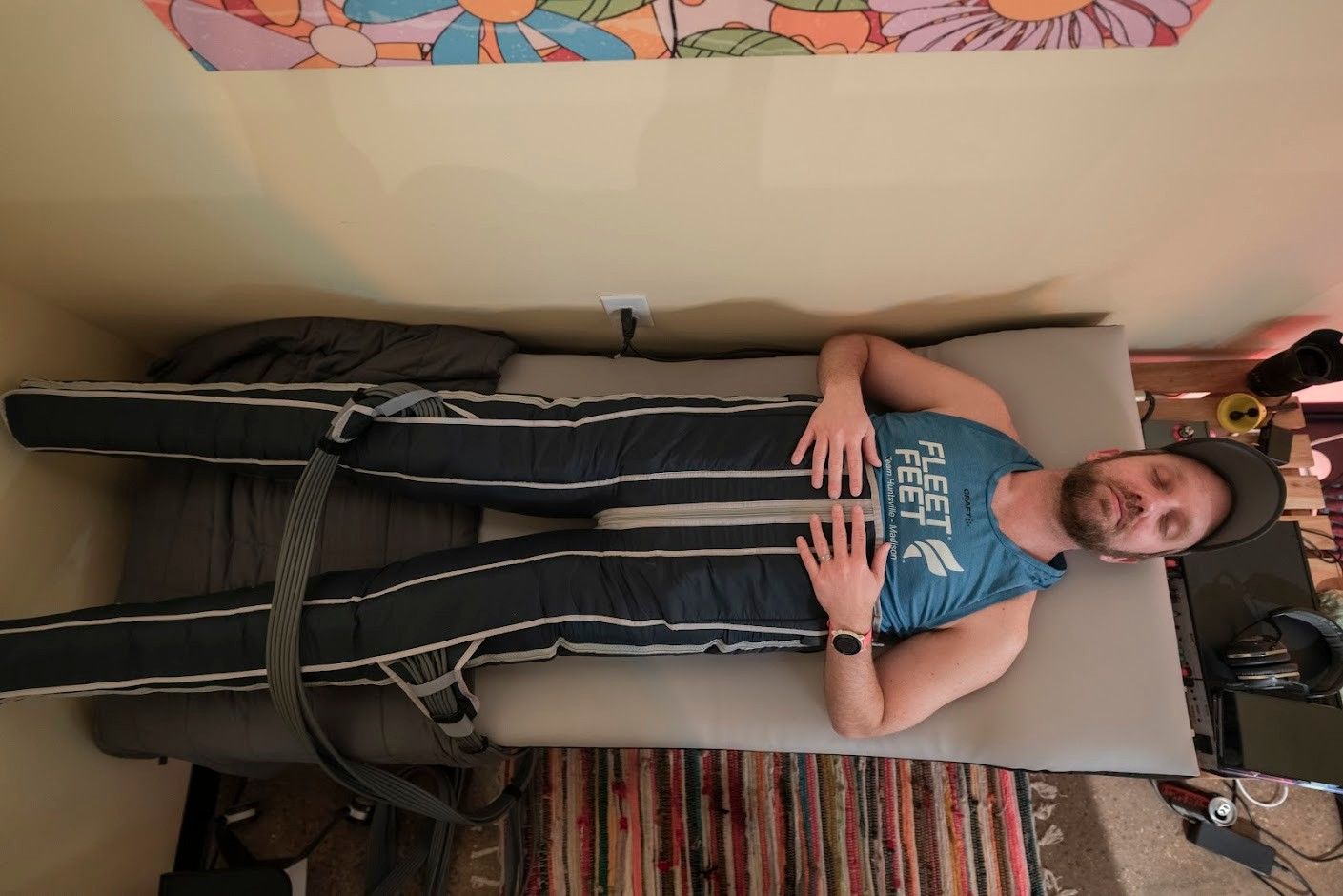
Today, when we talk about clinical or wellness-focused compression therapy, we often refer to Intermittent Pneumatic Compression (IPC). This involves wearing specialized sleeves or boots that inflate and deflate in specific rhythms. Unlike static compression socks that apply constant pressure, IPC devices mimic the natural muscle pump of your legs. This dynamic "massage" helps move fluid out of the limbs and back toward the heart, effectively flushing out metabolic waste and allowing fresh, nutrient-rich blood to rush in.
How It Works: The Mechanics of the Squeeze
Think of your circulatory system as a highway. Arteries carry oxygenated blood away from your heart to your muscles, while veins carry deoxygenated blood back to the heart. Your veins have to work against gravity to push that blood upward from your legs.
When you sit or stand for long periods, or after intense exercise, blood and lymphatic fluid can pool in your extremities. This stagnation leads to swelling, stiffness, and that dreaded "heavy" feeling.
Pneumatic compression devices solve this by acting like an external heart for your legs. The sleeves typically consist of multiple chambers that inflate sequentially, starting at the foot and moving up toward the thigh. This wave-like motion (peristalsis) mechanically forces fluid out of the interstitial spaces and into the lymphatic and venous systems so it can be filtered and recirculated.
5 Key Benefits of Compression Therapy
While the sensation is relaxing, often compared to a firm blood pressure cuff that rhythmically loosens, the biological effects are profound. Here are five ways compression therapy can transform your recovery and health.
1. Enhanced Circulation and Lymphatic Drainage
Your lymphatic system is your body’s sewage treatment plant. It removes waste, toxins, and bacteria. However, unlike your circulatory system, it doesn’t have a pump (like the heart) to keep things moving; it relies on muscle movement.
Compression therapy provides that missing pump. By enhancing blood flow and stimulating the movement of lymph fluid, this therapy aids in detoxifying the body. Better circulation means your tissues receive oxygen and nutrients faster, which is essential for overall health and vitality.
2. Reduced Delayed Onset Muscle Soreness (DOMS)
We’ve all been there: you crush a workout on Tuesday, feel fine on Wednesday, and then can barely walk down the stairs on Thursday. That is Delayed Onset Muscle Soreness (DOMS). It is caused by microscopic tears in muscle fibers and the subsequent inflammation.
Compression therapy is a powerful tool for mitigating this pain. By flushing out the fluid that accumulates around these micro-tears and reducing inflammation, compression helps you get back to your training regimen faster and with less discomfort.
3. Decreased Swelling and Stiffness
Edema (swelling caused by excess fluid trapped in your body's tissues) is a common issue for post-operative patients, frequent flyers, and those who stand all day.
Compression is highly effective in reducing this inflammation. By physically limiting the space available for swelling to occur and encouraging fluid reabsorption, it relieves joint stiffness and reduces the circumference of swollen limbs. This makes it an excellent choice for injury rehabilitation, helping you regain mobility sooner.
4. Relief from Muscle Fatigue
You don't have to be an Olympian to experience muscle fatigue. Standing on concrete floors, chasing toddlers, or sitting at a desk for eight hours can leave your legs feeling exhausted.
Regular sessions help ease this deep-seated muscle fatigue. The rhythmic pressure relaxes tense muscles and revitalizes the limbs, enabling a quicker recovery so you have the energy for your next workout or simply to enjoy your evening activities.
5. Lactic Acid Drainage and Muscle Relaxation
During intense exercise, your body produces lactate. While the old myth that "lactic acid causes soreness" has been debated, the accumulation of metabolic waste products can contribute to a temporary acidic environment in the muscles, leading to fatigue during exercise.
Compression therapy facilitates the removal of these metabolic byproducts. By accelerating the clearance of waste and bringing in fresh blood, it contributes to deep muscle relaxation. Many users report that the massage-like effect helps them feel lighter and more limber immediately after a session.
Who is the Ideal Candidate?
One of the best aspects of compression therapy is its versatility. It isn't just for one type of person.
- Athletes: Whether you are a runner, CrossFitter, or cyclist, faster recovery means better performance.
- Post-Operative Patients: Those recovering from orthopedic surgeries often use compression to manage swelling (always consult your doctor first).
- The Workforce: Nurses, teachers, construction workers, and anyone on their feet all day can find immense relief from chronic leg fatigue.
- Frequent Travelers: Compression helps combat the circulation issues caused by long flights and confined seating.
Ready to Feel the Difference?
Your body works hard for you every day. Whether you are pushing for a personal best in the gym or just pushing through a busy work week, your legs deserve a break. Compression therapy offers a scientifically backed, relaxing way to reset your circulation and speed up your recovery.
If you are in the Huntsville, AL area, Swift Recovery is here to help you get back on your feet. Our state-of-the-art facility features customizable equipment tailored to your specific needs, ensuring you get the most out of every session.
Don’t let swelling, soreness, or fatigue slow you down.
Contact Swift Recovery today to schedule your session and experience the difference for yourself.