Balancing Hormones Naturally: The Benefits of Red Light Therapy in Huntsville, AL
Whether you're a competitive athlete chasing peak performance, a fitness enthusiast pushing through tough training weeks, or simply someone who feels like their body isn't functioning the way it should, there's a good chance your hormones have something to do with it. Hormonal imbalance is one of the most underdiagnosed — and most impactful — factors affecting energy, recovery, mood, body composition, and overall quality of life for both men and women. And increasingly, wellness professionals and researchers are turning to an unexpected solution: red light therapy.
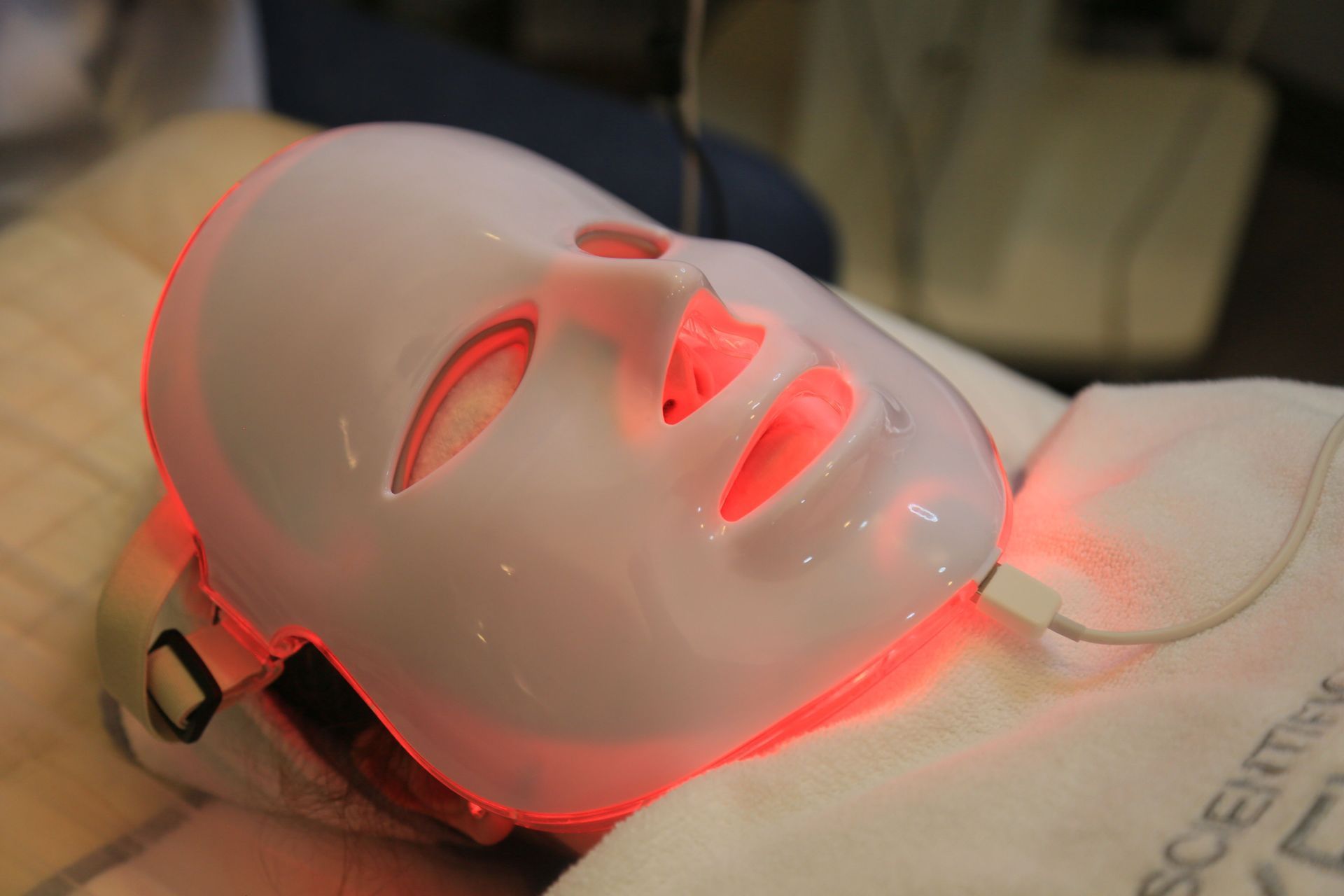
Red light therapy in Huntsville, AL is gaining significant attention as a non-invasive, drug-free approach to supporting hormonal health, improving recovery, and enhancing overall physical and mental well-being. What was once considered a niche treatment used primarily by elite athletes and biohackers is now available — and accessible — to anyone who wants to support their body at a cellular level.
In this comprehensive guide, we'll explore the science behind red light therapy and its effects on hormonal balance in both men and women, the specific benefits for athletes and fitness enthusiasts, and what you can expect from your first sessions at a professional wellness center like Swift Recovery in Huntsville.
1. What Is Red Light Therapy and How Does It Work?
Red light therapy (RLT), also known as photobiomodulation or low-level laser therapy (LLLT), is a treatment that uses specific wavelengths of red and near-infrared light to penetrate the skin and stimulate biological processes at the cellular level. Unlike UV light — which can damage the skin — red and near-infrared wavelengths (typically between 630–850 nanometers) are safe, non-thermal, and have been shown in hundreds of clinical studies to have profound effects on cellular function.
The primary mechanism behind red light therapy is its effect on the mitochondria — the energy-producing "powerhouses" within every cell in your body. When cells are exposed to red and near-infrared light, the mitochondria absorb that light energy and use it to produce more adenosine triphosphate (ATP), the fundamental energy currency that every cellular process runs on. More ATP means more efficient, more energized cells across every system in your body — including the endocrine glands responsible for producing your hormones.
This mitochondrial stimulation also triggers a cascade of additional effects: reduced oxidative stress, decreased inflammation, improved circulation, accelerated tissue repair, and enhanced protein synthesis. All of these effects have downstream implications for hormonal health, which is why red light therapy has become a subject of intense interest in the fields of endocrinology, sports medicine, and integrative wellness. It's not magic — it's biology operating at its most fundamental level.
2. Red Light Therapy and Hormone Balance in Men
For men, testosterone is the cornerstone hormonal concern — and for good reason. Testosterone governs muscle mass, fat distribution, energy levels, libido, mood, bone density, and cognitive function. Testosterone levels in men naturally begin declining around age 30, typically dropping at a rate of about 1–2% per year. But factors like chronic stress, poor sleep, excess body fat, and overtraining can dramatically accelerate this decline, leaving men feeling fatigued, unmotivated, and physically diminished well before their time.
Research into red light therapy and male hormone production has produced some compelling findings. A landmark study published in the journal Lasers in Surgery and Medicine found that men who received red light therapy to the testes — where testosterone is primarily produced — experienced significant increases in testosterone levels compared to a control group. The mechanism is believed to be the same mitochondrial stimulation described above: the Leydig cells in the testes, which produce testosterone, appear to be particularly responsive to red and near-infrared light, producing more testosterone when their mitochondrial function is optimized.
Beyond direct testosterone production, red light therapy also supports the hormonal environment that makes testosterone work more effectively. By reducing systemic inflammation and oxidative stress — both of which interfere with testosterone signaling — and by supporting healthy cortisol rhythms, red light therapy helps create conditions in which the body's testosterone can function at its peak. For men who are training hard, managing work stress, or simply trying to maintain vitality as they age, these effects can be genuinely significant.
Red light therapy has also shown promise for supporting thyroid function in men, improving sleep quality (which is when most testosterone is produced), and reducing cortisol — the stress hormone that directly suppresses testosterone production. Taken together, these effects make RLT one of the most comprehensive natural tools available for supporting male hormonal health without the risks and side effects of pharmaceutical intervention.
3. Red Light Therapy and Hormone Balance in Women
Women's hormonal systems are considerably more complex than men's, with a delicate interplay of estrogen, progesterone, luteinizing hormone (LH), follicle-stimulating hormone (FSH), thyroid hormones, cortisol, and more. Disruptions to this balance — whether from chronic stress, irregular sleep, intense exercise, perimenopause, or other factors — can manifest as fatigue, irregular cycles, mood swings, brain fog, poor recovery, stubborn weight gain, and more.
Red light therapy's effects on women's hormonal health are primarily mediated through its impact on the thyroid, the adrenal glands, and the inflammatory pathways that affect estrogen metabolism. The thyroid gland, which regulates metabolism, energy production, and the function of virtually every system in the body, is particularly responsive to red light therapy. Clinical research has shown that red and near-infrared light can improve thyroid function in patients with hypothyroidism, reduce the need for thyroid medication, and lower thyroid antibody levels in autoimmune thyroid conditions like Hashimoto's disease.
For women who are active and training hard, red light therapy offers particularly compelling benefits. Intense exercise raises cortisol levels — which is necessary for adaptation but can become problematic when cortisol remains chronically elevated. High cortisol suppresses progesterone, disrupts sleep, promotes inflammation, and can impair reproductive hormone function. Red light therapy has been shown to help modulate cortisol rhythms, supporting a healthier stress response and a more favorable hormonal environment for athletic recovery and performance.
Women approaching or navigating perimenopause may find red light therapy especially valuable. As estrogen levels decline, inflammation tends to increase, sleep quality often suffers, and cellular energy production becomes less efficient — all areas where red light therapy can provide meaningful support. While RLT is not a replacement for hormone therapy in cases of significant deficiency, it can be a powerful complementary tool for supporting cellular function and quality of life during hormonal transitions.
4. The Recovery and Performance Benefits for Athletes
Even if hormonal optimization isn't your primary goal, the recovery and performance benefits of red light therapy are substantial enough to make it a compelling addition to any serious training regimen. Elite athletes around the world — from Olympic sprinters to professional cyclists to competitive CrossFit athletes — have incorporated red light therapy into their recovery protocols, and the research supporting its benefits is extensive and growing.
Accelerated muscle recovery is perhaps the most well-documented effect of red light therapy in the athletic context. Multiple peer-reviewed studies have shown that red and near-infrared light reduce delayed onset muscle soreness (DOMS) — the deep aching soreness that sets in 24–72 hours after an intense training session — and speed up the repair of micro-tears in muscle tissue that are the natural result of resistance training. When muscles recover faster, athletes can train harder, train more frequently, and make progress more consistently.
Reduced inflammation is another critical benefit for athletes. While acute inflammation is a necessary part of the adaptation process, chronic low-grade inflammation impairs recovery, degrades performance, and over time increases injury risk. Red light therapy works at the cellular level to down-regulate pro-inflammatory cytokines and support the resolution of inflammation, allowing athletes to recover more completely between sessions and sustain higher training loads over time.
Improved joint health is especially relevant for athletes who place repetitive stress on their joints — runners, weightlifters, team sport athletes, and cyclists among them. Red light therapy has shown significant benefits for reducing joint pain and inflammation associated with overuse, and research suggests it can support the repair of cartilage and connective tissue. For athletes managing chronic joint issues or trying to prevent them, this represents a meaningful quality-of-life and longevity benefit.
5. What the Science Says: Key Research Findings
Red light therapy is not a wellness fad — it's a therapy with a substantial body of peer-reviewed research behind it. Here are some key findings that are particularly relevant for athletes and individuals seeking hormonal support:
A 2013 study published in Lasers in Medical Science found that red light therapy significantly reduced muscle fatigue and improved performance in elite athletes during repeated sprint testing. A 2016 systematic review in the Journal of Athletic Training concluded that photobiomodulation is effective for reducing DOMS and accelerating recovery from exercise-induced muscle damage. Research published in Photomedicine and Laser Surgery demonstrated significant improvements in thyroid function in patients with hypothyroidism after red light therapy, with many patients able to reduce or eliminate thyroid medication. Multiple studies have shown that red light therapy reduces levels of the inflammatory marker C-reactive protein (CRP) and pro-inflammatory cytokines including TNF-α and IL-6.
A growing body of research also supports red light therapy's effects on sleep quality — a critical factor in both hormonal health and athletic recovery. Studies have found that RLT can improve melatonin production, enhance sleep architecture, and reduce the time needed to fall asleep. Since the majority of testosterone and growth hormone production occurs during deep sleep, this sleep-enhancing effect creates an additional pathway through which red light therapy supports hormonal health.
The cumulative picture painted by this research is of a therapy that works at the most fundamental level of biology — the cell — to support health, recovery, and function across multiple systems simultaneously. This is why red light therapy is increasingly recommended not just for specific conditions but as a foundational wellness practice for anyone who wants to perform and feel their best.
6. What to Expect from Red Light Therapy Sessions at Swift Recovery
If you're curious about trying red light therapy in Huntsville, understanding what to expect can help you get the most out of your sessions and set realistic expectations. Red light therapy is completely non-invasive, painless, and requires no recovery time — you can come in for a session and go directly to work, the gym, or anywhere else without any downtime.
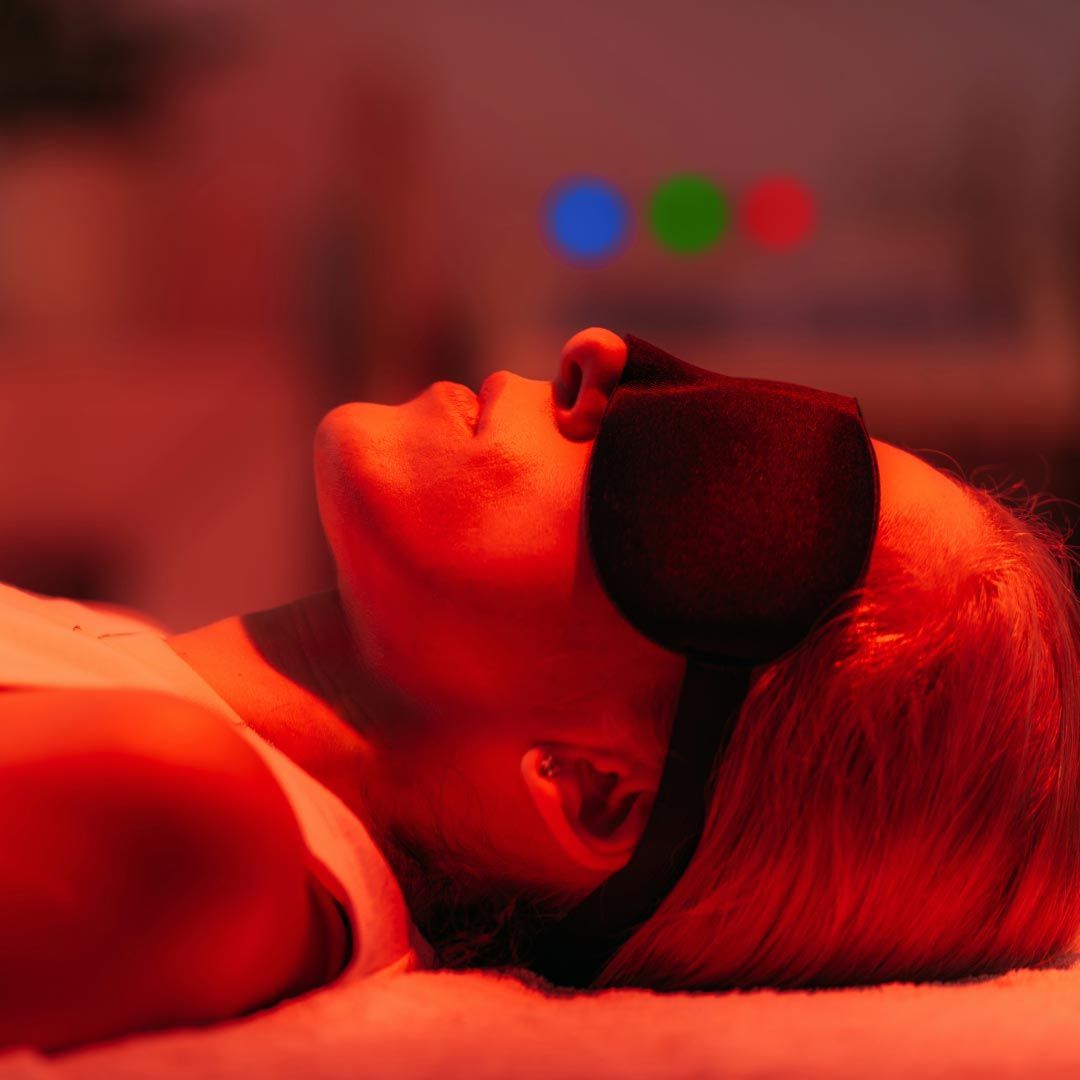
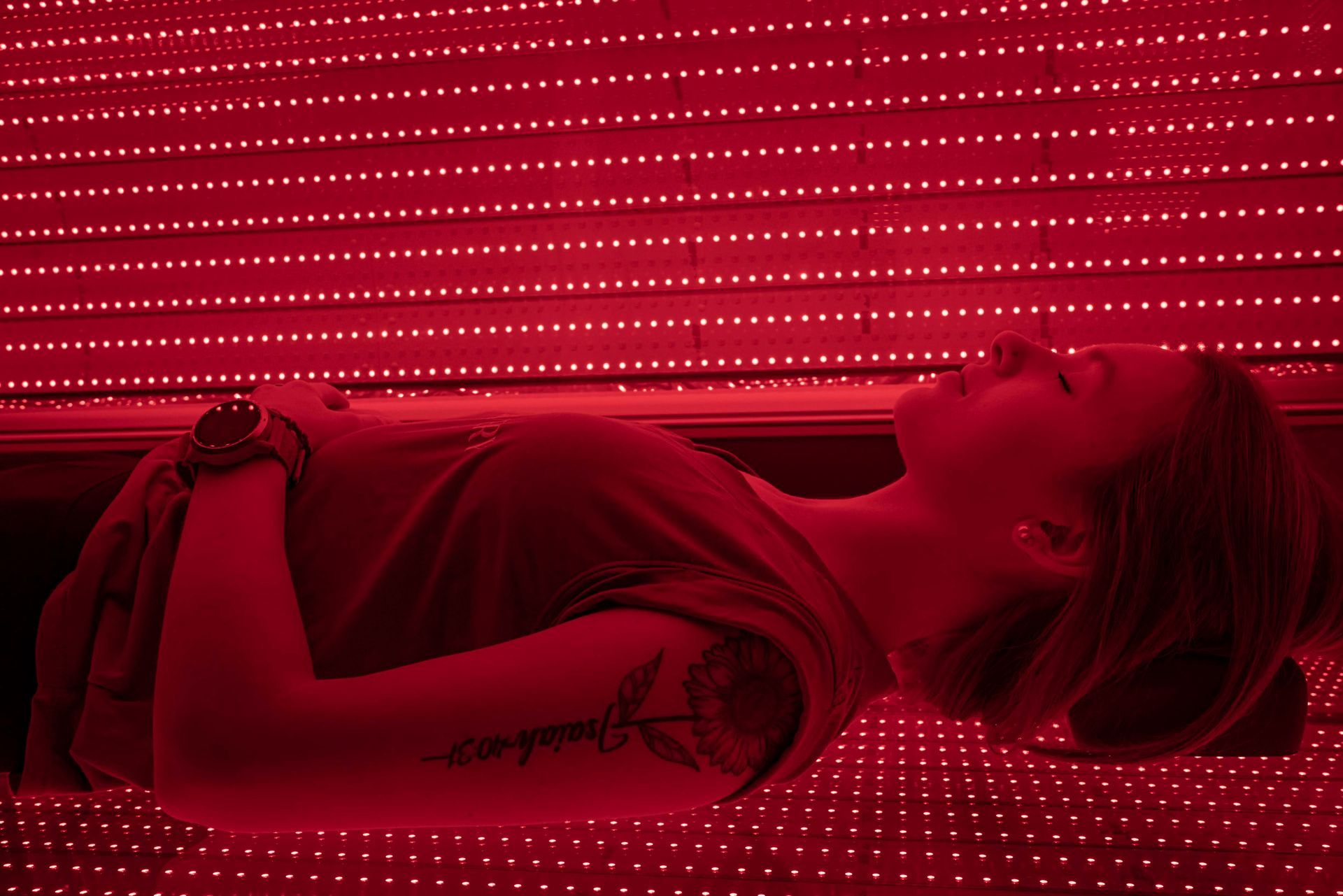
Sessions typically last between 10 and 20 minutes, depending on the treatment protocol and the areas being targeted. During a session, you'll stand or sit in front of a professional-grade red light therapy panel that emits the specific wavelengths of red and near-infrared light that have been shown to be most effective in the research literature. You may feel a gentle warmth, but the treatment is not hot and does not cause any sensation of burning or discomfort. Many people find the sessions deeply relaxing.
Results from red light therapy are cumulative — meaning you'll typically notice benefits that build over time with consistent use rather than dramatic immediate changes after a single session. Most people begin to notice improvements in energy levels, sleep quality, muscle recovery, and general well-being within two to four weeks of regular sessions. Hormonal benefits, which involve deeper physiological changes, typically become apparent after four to eight weeks of consistent use. The key word is consistency — like exercise or good nutrition, red light therapy delivers its best results when it's a regular part of your wellness routine.
Experience Red Light Therapy at Swift Recovery in Huntsville, AL
At Swift Recovery, we're passionate about bringing cutting-edge, evidence-based recovery and wellness solutions to athletes and health-conscious individuals across Huntsville, Alabama. Our professional red light therapy services use clinical-grade equipment designed to deliver the specific wavelengths and intensities that have been shown to be most effective in the research — not the consumer-grade panels that flood the wellness market with questionable efficacy.
Whether your goal is to optimize your hormonal health, accelerate your recovery from intense training, reduce chronic inflammation, or simply support your body's function at the deepest level, our team is here to guide you. Red light therapy in Huntsville, AL has never been more accessible — and the potential benefits for your performance, your recovery, and your overall quality of life are genuinely exciting.
Contact Swift Recovery today to learn more about our red light therapy sessions and how they can fit into your wellness and performance goals. Your cells are ready — all they need is the light.