Can You Use Red Light Therapy for Thyroid Health?
Thyroid conditions affect millions of people across the United States, and for those living with hypothyroidism, Hashimoto's thyroiditis, or other thyroid disorders, managing symptoms can feel like a constant balancing act. Fatigue, weight fluctuations, brain fog, cold sensitivity, and mood changes are just some of the daily challenges that come with thyroid dysfunction. While medication remains the primary treatment for most thyroid conditions, a growing number of people are exploring complementary approaches, including red light therapy, to support their overall thyroid health and wellbeing.
Red light therapy, also known as photobiomodulation (PBM), uses specific wavelengths of red and near-infrared light to stimulate cellular processes in the body. It has been studied for a wide range of applications, from wound healing and skin rejuvenation to joint pain and muscle recovery. More recently, researchers and practitioners have begun exploring its potential role in supporting thyroid function. For anyone living with a thyroid condition in Huntsville, AL, understanding what the research says and what red light therapy can and cannot do is an important step toward making informed wellness decisions.
1. Understanding the Thyroid and Why It Matters
The thyroid is a small, butterfly-shaped gland located at the base of the neck, and its influence on the body is anything but small. It produces thyroid hormones, primarily thyroxine (T4) and triiodothyronine (T3), that regulate metabolism, heart rate, body temperature, energy levels, and mood. Virtually every cell in the body responds to thyroid hormones, which is why thyroid dysfunction can produce such a wide and varied array of symptoms.
Hypothyroidism, the most common thyroid disorder, occurs when the thyroid produces insufficient hormone. Symptoms include persistent fatigue, weight gain, constipation, dry skin, hair loss, cold intolerance, and depression. Hashimoto's thyroiditis an autoimmune condition in which the immune system attacks the thyroid is the leading cause of hypothyroidism and often presents with intermittent periods of both under- and overactivity before the gland eventually becomes permanently underactive.
Hyperthyroidism, the opposite condition, involves excessive hormone production and presents with weight loss, rapid heartbeat, anxiety, heat intolerance, and insomnia. Conditions like Graves' disease, toxic nodular goiter, and thyroid nodules can all cause hyperthyroid states. Treatment approaches vary depending on the specific condition and its severity, ranging from hormone replacement medication and anti-thyroid drugs to radioactive iodine treatment and surgery.
The complexity of thyroid function and the significant impact thyroid disorders have on quality of life help explain why many people are motivated to explore complementary strategies alongside their conventional treatment. Red light therapy is one such approach that is gaining increasing attention in the research literature.
2. What Is Red Light Therapy and How Does It Work?
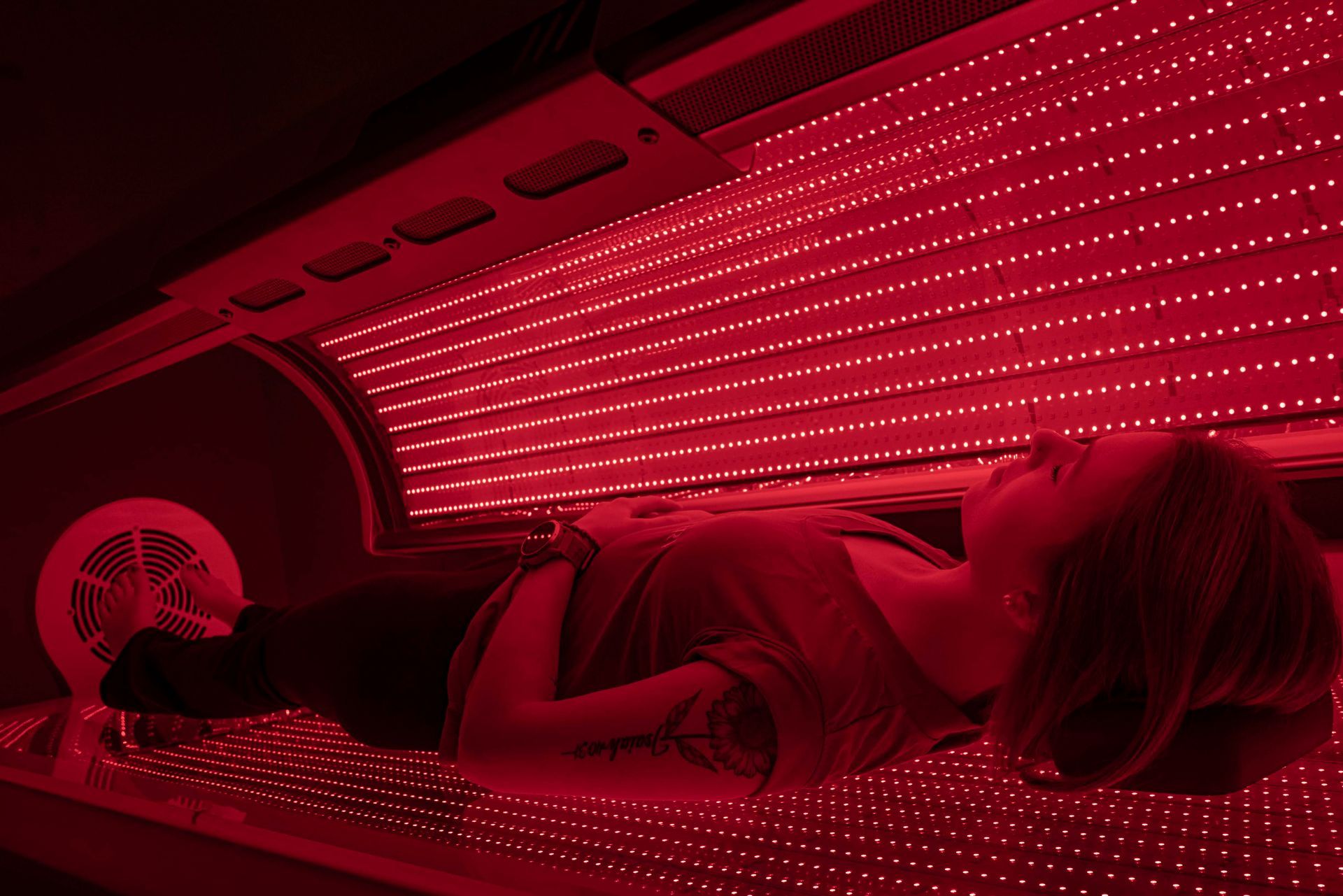
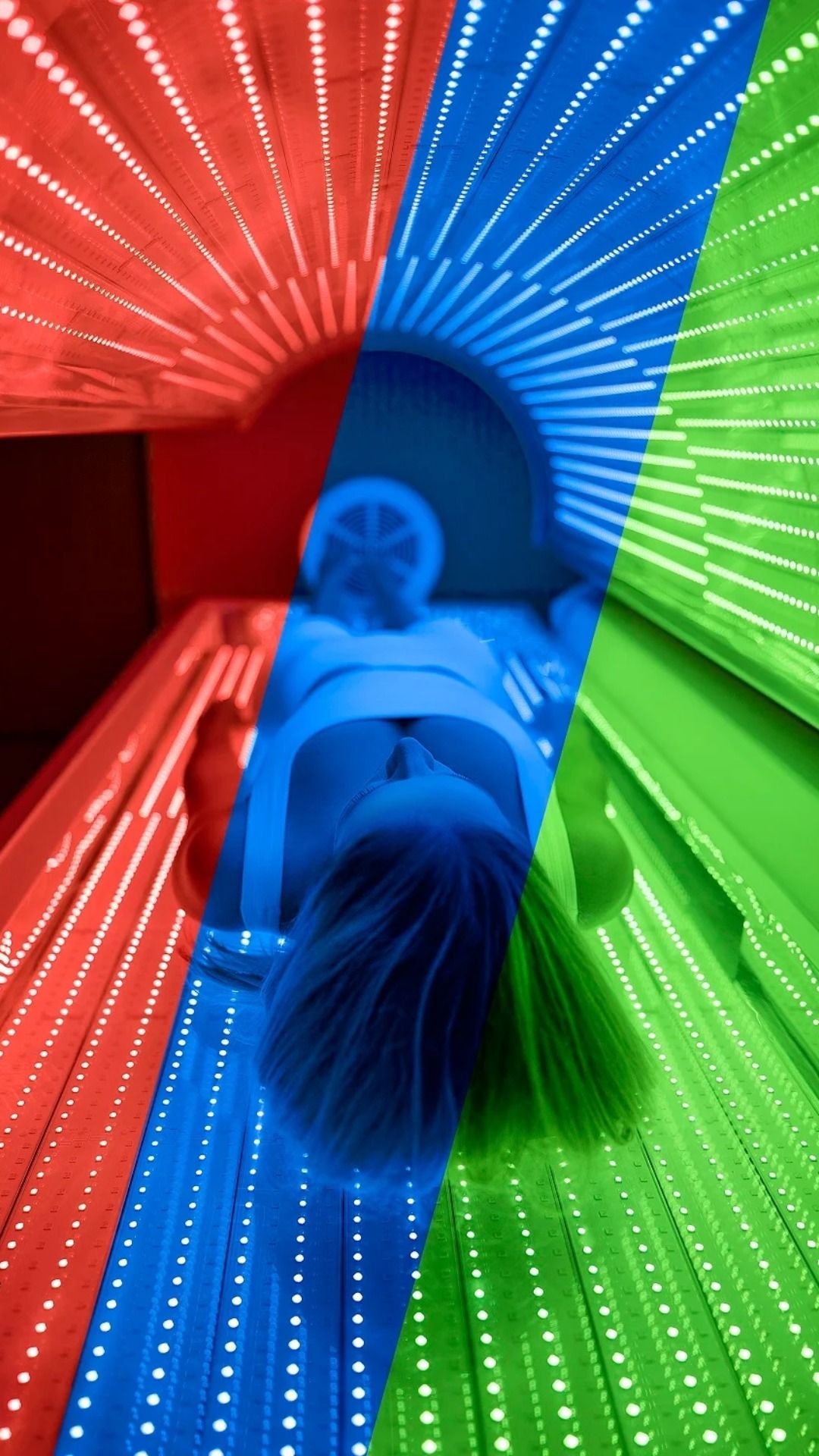
Red light therapy exposes the body to wavelengths of light in the red (approximately 630–700 nanometers) and near-infrared (approximately 800–1100 nanometers) range. Unlike UV light, which can damage skin and DNA at high exposures, red and near-infrared light at therapeutic intensities are safe and non-ionizing. They penetrate the skin to depths of several centimeters, reaching muscle tissue, joints, and underlying organs depending on the wavelength and power output of the device used.
The primary mechanism by which red light therapy exerts its effects involves mitochondria the energy-producing structures inside cells. Red and near-infrared light are absorbed by cytochrome c oxidase, an enzyme in the mitochondrial respiratory chain, stimulating increased production of adenosine triphosphate (ATP), the cell's primary energy currency. This increased cellular energy production appears to trigger a cascade of beneficial effects: reduced oxidative stress, decreased inflammation, improved circulation, and enhanced cellular repair and regeneration.
These foundational mechanisms have broad implications across many body systems which is why red light therapy has been studied in so many different contexts. For the thyroid specifically, the combination of reduced inflammation, improved circulation, and enhanced cellular energy metabolism is particularly relevant, given that thyroid disorders often involve inflammatory processes and cellular dysfunction within the gland itself.
3. What Does the Research Say About Red Light Therapy and Thyroid Function?
The research on red light therapy for thyroid conditions, while still emerging, includes some genuinely promising findings. Several published studies have examined the effects of low-level laser therapy (a form of photobiomodulation) on patients with Hashimoto's thyroiditis the autoimmune thyroid condition, with notable results.
A 2013 study published in the journal Lasers in Surgery and Medicine found that patients with chronic autoimmune thyroiditis who received near-infrared laser therapy showed significant improvements in thyroid function tests, including T4 and TSH levels. Participants also showed reduced antibody levels, suggesting a modulation of the autoimmune response, a particularly significant finding given that elevated thyroid antibodies are the hallmark of Hashimoto's. Importantly, several patients in the study were able to reduce their medication dosage following treatment, though this should always be done under medical supervision.
Additional studies have examined red light therapy's effects on thyroid nodules and on residual thyroid tissue following thyroid cancer treatment. While results vary and larger, more rigorous trials are needed, the consistent theme across the available literature is that photobiomodulation appears to have a meaningful effect on thyroid tissue, improving circulation, reducing inflammation, and potentially modulating immune activity in ways that benefit thyroid function.
It is important to note that the research in this area, while encouraging, is not yet sufficient to support the use of red light therapy as a standalone treatment for thyroid conditions. Rather, the current evidence supports its role as a complementary modality, something to be used alongside, not instead of, conventional medical care. Anyone considering red light therapy for thyroid-related concerns should discuss it with their endocrinologist or primary care physician.
4. Red Light Therapy and Hashimoto's: Addressing Inflammation and Autoimmunity
For those specifically dealing with Hashimoto's thyroiditis, red light therapy's anti-inflammatory properties are particularly relevant. Hashimoto's is fundamentally an inflammatory autoimmune condition, the immune system's attack on the thyroid creates chronic inflammation within the gland that progressively damages thyroid tissue and reduces hormone production over time. Reducing this underlying inflammation is a major goal of Hashimoto's management.
Red light therapy has well-documented anti-inflammatory effects, mediated through its impact on cytokine production, oxidative stress markers, and cellular signaling pathways. By reducing the inflammatory burden at the cellular level, photobiomodulation may help create a less hostile environment within the thyroid gland — potentially slowing the autoimmune destruction and supporting the remaining functional thyroid tissue.
Beyond the thyroid itself, many people with Hashimoto's experience systemic symptoms that red light therapy may help address. Fatigue, joint pain, brain fog, and mood disturbances are all areas where photobiomodulation has shown benefits in the broader research literature. For someone managing the many-faceted challenge of autoimmune thyroid disease, a therapy that may support multiple aspects of wellbeing simultaneously is understandably appealing.
Do you find yourself struggling with the fatigue and cognitive difficulties that often accompany thyroid conditions? These symptoms can profoundly affect daily quality of life, and exploring complementary approaches alongside your medical treatment may be worth discussing with your healthcare provider.
5. What to Expect from Red Light Therapy Sessions
Red light therapy sessions at a professional wellness facility are non-invasive, painless, and typically last between 10 and 20 minutes depending on the treatment protocol and the device being used. You'll be positioned near a panel or pod of red and near-infrared light-emitting LEDs, and the light is applied directly to the skin. There's no heat, no UV radiation, and no recovery time — you can return to normal activities immediately after a session.
For thyroid-specific applications, the light is typically directed at the front of the neck where the thyroid gland is located, though full-body panels are also used to deliver the systemic benefits of photobiomodulation. Results with any form of light therapy are typically cumulative — most people notice meaningful changes after a series of sessions rather than after a single treatment. Protocols vary by provider and by the specific condition being addressed.
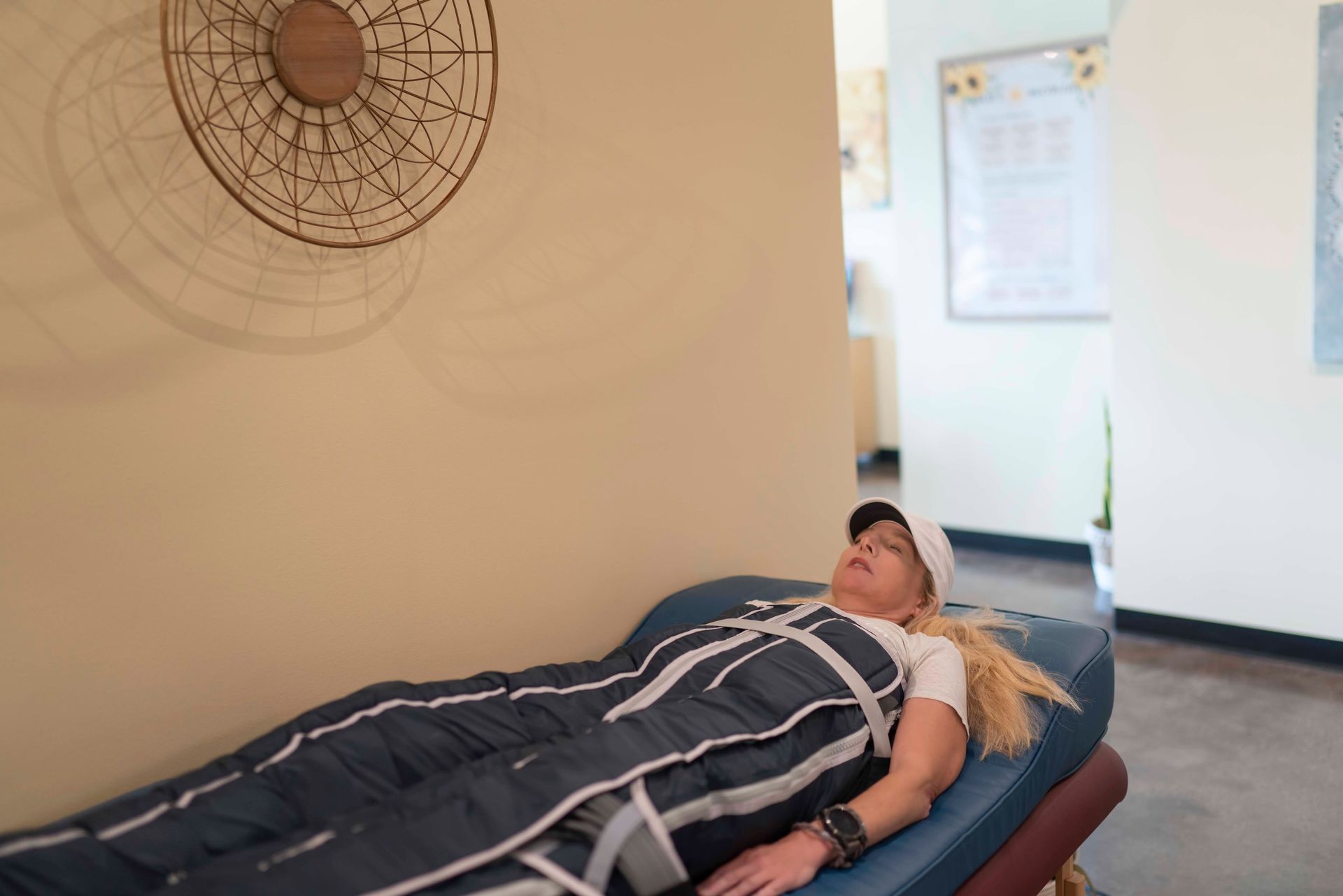
At Swift Recovery in Huntsville, AL, red light therapy is offered alongside other evidence-based recovery and wellness modalities including compression therapy, cryotherapy, cold plunge and infrared sauna contrast therapy, and Tecar therapy. This integrated approach allows clients to combine complementary therapies based on their individual wellness goals, whether they're focused on thyroid support, general inflammation reduction, athletic recovery, or overall vitality.
Important Considerations Before Starting Red Light Therapy for Thyroid Health
While red light therapy has an excellent safety profile for most people, there are important considerations for anyone with a thyroid condition. First and most importantly: do not alter your thyroid medication dosage or protocol without direct guidance from your prescribing physician. If you begin red light therapy and notice changes in how you feel, whether improvement or worsening of symptoms, report these to your doctor and have your thyroid levels retested as appropriate.
People with active thyroid cancer or a history of thyroid cancer should consult with their oncologist before considering red light therapy directed at the neck area, as the effects of photobiomodulation on cancerous thyroid tissue have not been sufficiently studied. Those with hyperthyroidism should similarly discuss with their physician, as the stimulating effects of red light therapy on thyroid tissue could theoretically affect hormone production in ways that require monitoring.
For the majority of people with hypothyroidism or Hashimoto's who are medically stable, red light therapy presents a low-risk complementary option with a growing body of supportive evidence.
Conclusion
The question of whether red light therapy can support thyroid health doesn't have a simple yes or no answer, but the emerging evidence is genuinely encouraging, particularly for those with autoimmune thyroid conditions like Hashimoto's. The anti-inflammatory, cellular-energizing, and circulation-improving effects of photobiomodulation align well with the mechanisms of thyroid dysfunction, and several studies have shown measurable improvements in thyroid function markers following red light therapy treatment.
As with any complementary wellness modality, the key is integrating it thoughtfully alongside, not as a replacement for, conventional medical care. If you're in the Huntsville, AL area and curious about exploring red light therapy as part of your thyroid health strategy, Swift Recovery offers professional sessions in a supportive, knowledgeable environment. Contact us to learn more about our red light therapy protocols and how they might fit into your overall wellness plan.